
kurvelins Logo Kurvelins Contact Us
Contact Us

Getting Started with Pottery and Ceramics

Hands-on guide to finding pottery studios in Vilnius and learning basic techniques. Most beginners get hooked after their first session.

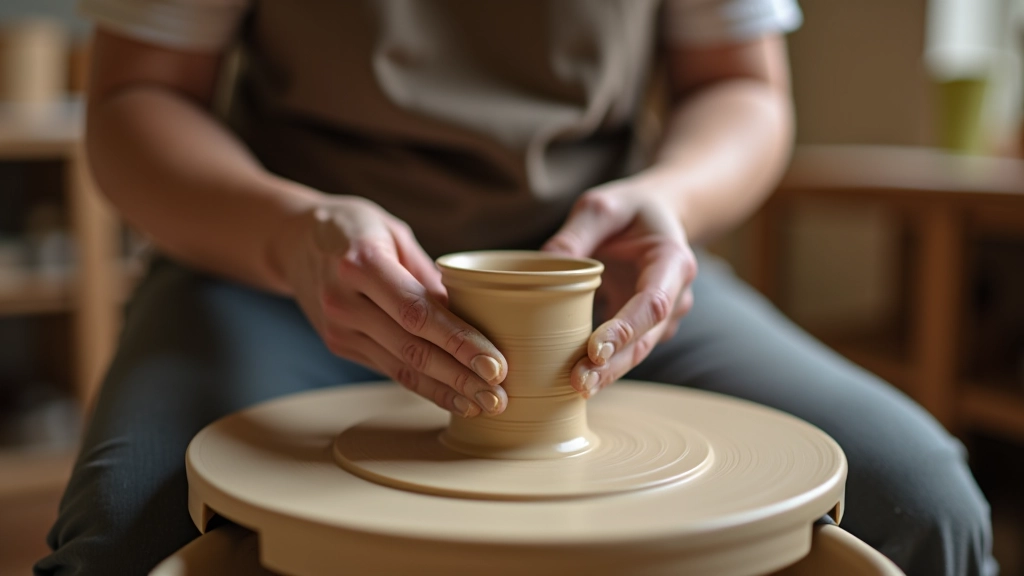
Hands working with clay on a pottery wheel in a bright studio space with natural light

Walking into a pottery studio for the first time can feel intimidating. You'll see wheels spinning, clay flying, and experienced potters creating things that look impossible. But here's the thing — everyone started exactly where you are now. Pottery isn't some mysterious skill reserved for artistic geniuses. It's a craft you can learn, enjoy, and genuinely get excited about within your first few weeks.

Vilnius has grown into a real hub for ceramic work. We're not just talking about one dusty studio in the old town. There are at least five solid places where you can start learning, each with their own approach and community. Some focus on wheel throwing, others on hand-building techniques. Many offer drop-in sessions, so you don't have to commit to a full course just to try it out.

Learn Fast

Most people master basic hand techniques in 3-4 sessions. Wheel work takes longer, but you'll be making recognizable pieces within weeks.

Real Community

Pottery studios attract genuinely interesting people. You'll work alongside retirees, university students, and working professionals. The shared experience creates real friendships.

Surprisingly Affordable

Drop-in sessions typically cost 8-12 EUR. Materials are included. You're not buying expensive tools or kits to start — just show up and work with clay.

Finding Your First Studio

The best place to start is honestly just walking around the Užupis neighborhood. You'll spot at least two active studios there. One is tucked into a converted warehouse on Vėlė Street — you'll see clay dust in the windows and smell the kiln. It's run by Rūta, who's been teaching for about 8 years and doesn't overcomplicate things.

If you prefer something more formal, there's a studio in the Senamiestis cultural center that offers scheduled beginner classes on Tuesday and Thursday evenings. The space is larger, better lit, and they've got more wheels available. The trade-off is it's slightly more structured than drop-in sessions — you'll be learning alongside people specifically at your skill level.

Don't worry about choosing perfectly. You can try different studios. Most won't charge you anything just to visit and watch for 10 minutes. Talk to the instructors about what they teach. Some focus on wheel throwing from day one, while others start you with hand-building — coil pots, slab work, pinch pots. Hand-building is honestly less intimidating for absolute beginners, even though wheel work looks cooler.

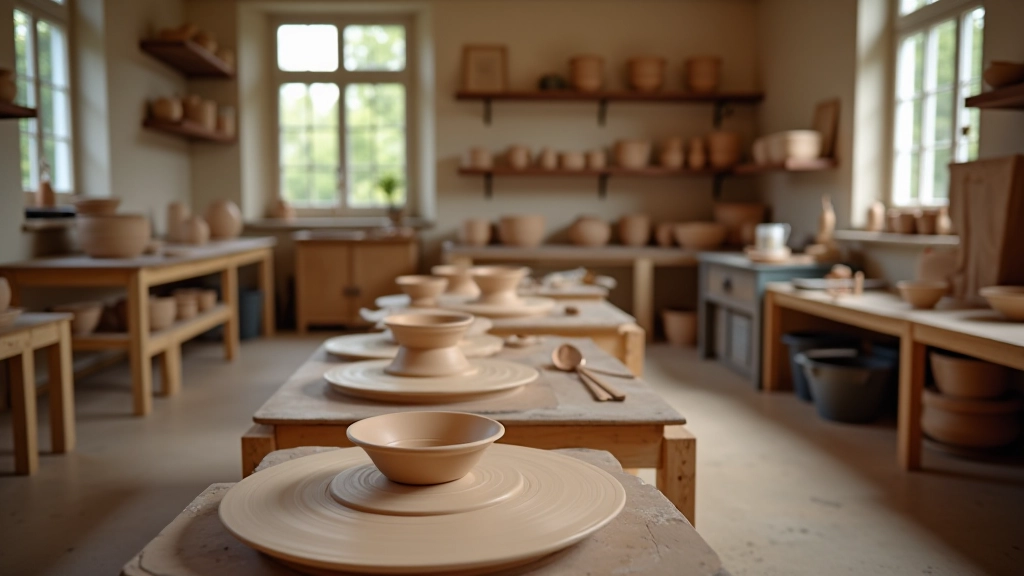
Modern pottery studio with multiple spinning wheels, large windows with natural light, organized shelves of clay and tools
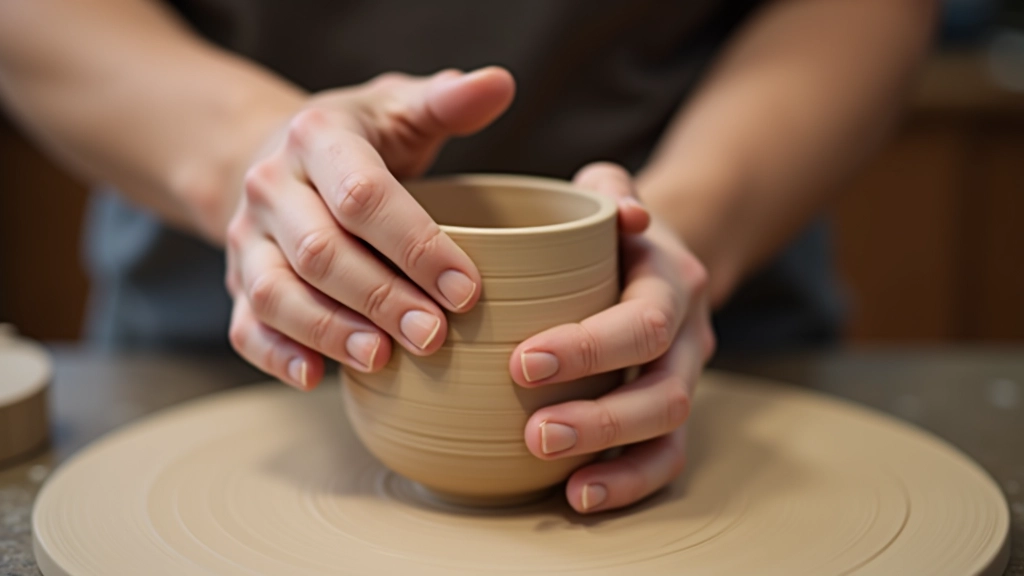
Close-up of hands demonstrating pinch pot technique, showing proper finger positioning on clay

The Techniques You'll Actually Use

Your first session will probably introduce you to three basic hand techniques. The pinch pot is dead simple — you literally pinch clay between your thumb and fingers to create a small bowl. You'll do this in the first 10 minutes and feel like you've accomplished something real. Because you have.

Coil building comes next. Roll clay into long snakes, stack them in circles, and smooth them together. It's more forgiving than wheel work because there's no speed involved. Your hands aren't fighting physics. Coil pots can look surprisingly sophisticated when you're done — vases, planters, decorative bowls. You'll see why potters have used this technique for literally thousands of years.

Slab work is the third foundational method. Flatten clay into sheets using a rolling pin (yes, a real kitchen rolling pin works fine). Cut shapes, attach them together, and you've got architectural-looking vessels and plates. It's precise work, which some people find meditative and others find frustrating. You'll figure out which type you are after your first few attempts.

What to Expect During Your First Session

You'll walk in and there'll be a shelf of clay balls already prepared. Instructors do this because wedging clay (mixing and de-airing it) is a skill itself. Your first job is picking a lump and sitting down at a table or wheel. You'll get a bucket of water, some basic tools (a wooden paddle, a wire cutter, maybe a sponge), and instructions.

The first thing you'll learn is how clay feels in your hands. It's nothing like Play-Doh. It's denser, more responsive, and honestly more alive. You can feel the moisture in it. You can feel how it resists your hands and then gives. This tactile feedback is why people get addicted to pottery. You're not looking at a screen. You're not sitting still. You're engaging with a material that's fighting you a little bit, and that's weirdly satisfying.

By the end of your first hour, you'll have made something. It might not be beautiful. It might be slightly lopsided or crack a bit. But it'll be yours. And here's the honest part — most studios will fire it for you. In about a week, you'll come back and pick up your finished piece. That moment when you hold your own finished ceramic object is genuinely cool. It's not a hobby where you're just dabbling. You're creating physical things that exist in the world.

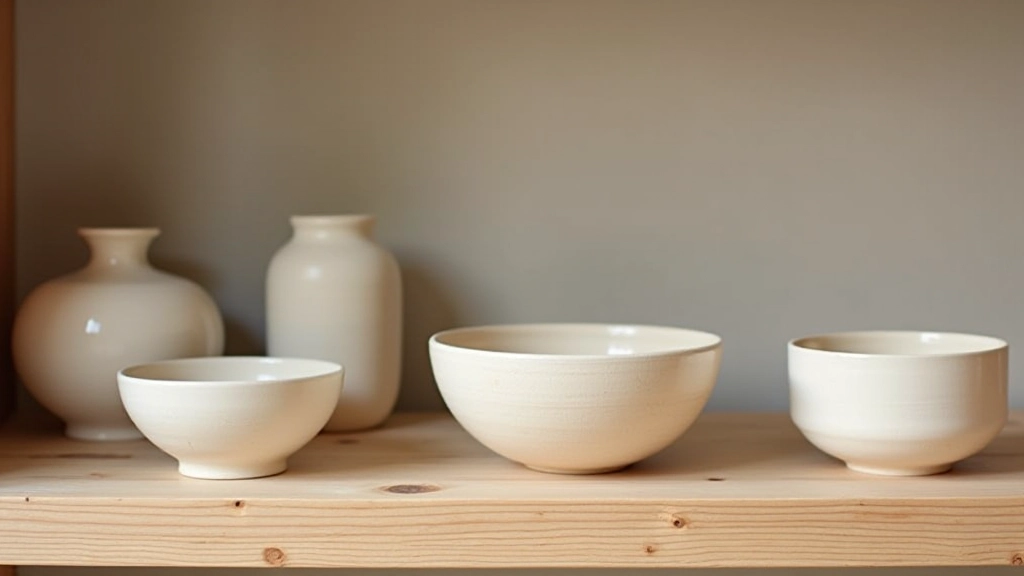
Finished ceramic bowls and vessels displayed on wooden shelf, showing variety of glazes and colors from beginner pottery work

Smart Tips Before You Start

A few practical things that'll make your pottery experience better from day one.

1

Wear Clothes You Don't Mind Getting Dirty

Clay stains aren't permanent, but they happen. Don't wear your favorite black jeans. Old t-shirt and jeans you actually like? Perfect. Most studios have aprons, but they don't cover everything.

2

Go to a Drop-In First

Don't commit to a 6-week course right away. Try a single drop-in session. See if you actually like the experience before you're locked into a class schedule.

3

Ask About Studio Hours

Some studios have open studio hours where experienced potters work alongside beginners. It's less formal than classes and you can work at your own pace. Great for practicing once you've learned the basics.

4

Expect to Love or Hate the Wheel

Wheel throwing is cool, but it's genuinely difficult. Some people click with it immediately. Others prefer hand-building. Don't feel pressured to master the wheel if you're having more fun with coil pots.

5

Keep Your First Pieces

Your first pot will look rough. Your second one slightly less rough. By piece number 20, you'll actually be pretty good. Keep them all. You'll love seeing your own progress.

6

Join the Studio Community

Talk to other people working at the studio. Go to studio events if they have them. Pottery studios tend to develop real communities. You're not just signing up for classes — you're joining a group.