
Joining Creative Communities in Kaunas
Local art collectives, DIY workshops, and evening painting groups. We've mapped out where artists actually gather and what to expect when you show up.
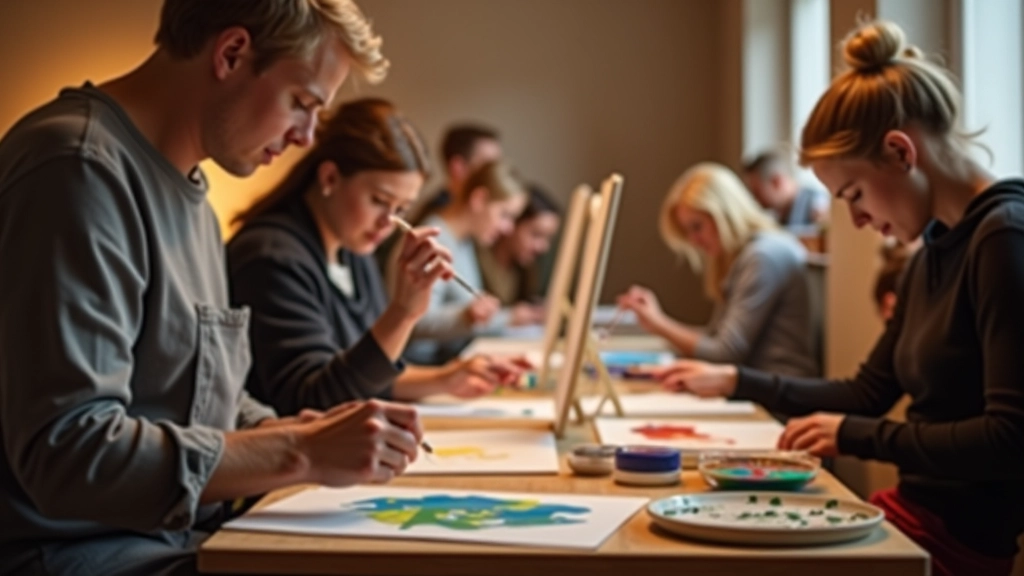
Kaunas isn't Vilnius. It's smaller, quieter, and that's actually the point. The creative scene here feels less like a curated Instagram feed and more like actual people making things in actual spaces. We're talking about real workshops where you'll find oil paint under people's fingernails, not just perfectly lit studios with premium lighting rigs.
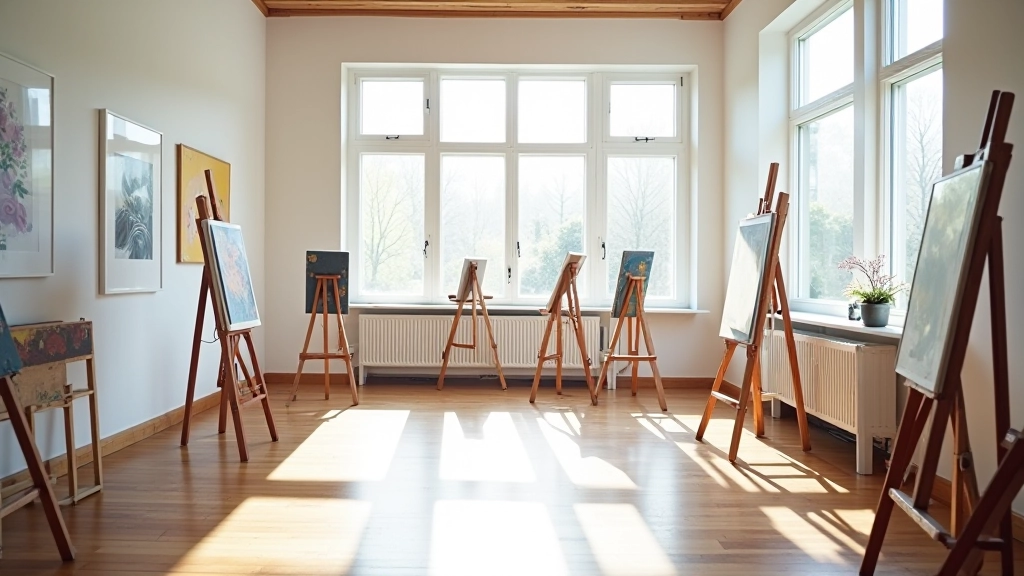
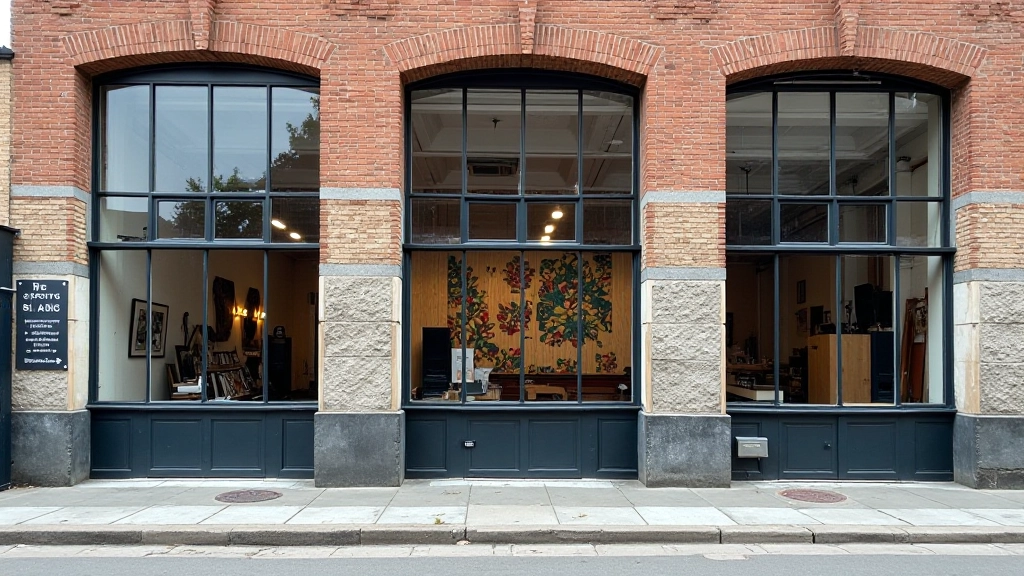
Here's what we've discovered: There's this gallery in a converted Soviet-era warehouse on Rotušės Street. A pottery studio tucked behind a bakery. A collective where 12 different artists share one bright room with northern light. If you're thinking about joining the creative community here, you won't find much gatekeeping. Most groups actively want new people — they just aren't aggressive about advertising.
The Kaunas Creative Scene
What makes Kaunas different: Less about credentials, more about showing up. Most groups meet 2-3 times weekly. Sessions run 90 minutes to 3 hours. Cost is usually minimal or community-supported.
Where Artists Actually Meet
Start with the obvious: Kaunas has three main gallery districts. The Old Town cluster (Vilniaus, Rotušės) has institutional galleries but also hosts monthly artist meetups. Fresco Street in the European quarter has become the hub for younger creators — about 6 independent artist collectives operate there. Then there's the emerging scene around Aukštaičių Street where three former industrial buildings have been converted into shared studio spaces.
But here's what matters: The real action happens in smaller rooms. A painter named Laima runs a Tuesday evening drawing group from her studio near Veliuva. Twelve people show up, all different skill levels. Some folks are preparing portfolio pieces for art school. Others haven't drawn since high school and just want to try. She charges 5 euros per session, mostly to cover heat and supplies.
The ceramic collective at Savitarnos Street meets every Thursday. It's not a school. Nobody's teaching a formal curriculum. But the experienced potters — there are maybe 4 or 5 regulars — will absolutely show you how to wedge clay properly or fix a collapsed rim if you ask. Newcomers sometimes spend their first session just watching, getting comfortable with the space and the rhythm of how people work.
What You'll Actually Need
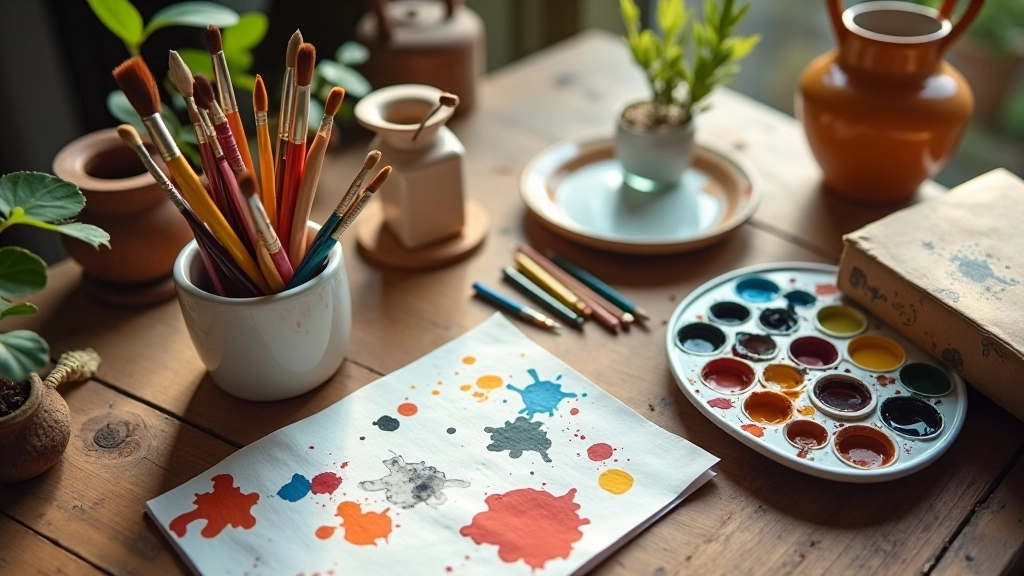
Don't overthink supplies. Seriously. Most groups have basic materials available — you'll share pencils, erasers, paper. For painting sessions, you might bring your own paints if you have them. If you don't, someone will have extras or you can buy basic acrylics from the local art shop for 3-4 euros.
What you really need: Willingness to show up consistently. That's the difference between people who "always meant to get into art" and people who actually do. The groups that thrive have core members who show up every week. They create the rhythm. Newcomers who come once every month or two never quite feel integrated.
Second: Low expectations about being judged. This isn't art school critique. If someone in the group is a professional artist, they're there because they enjoy the social aspect and the challenge of trying new mediums, not to evaluate everyone else. We talked with Darius, a graphic designer who joins the Thursday pottery group despite having zero formal ceramics training. He said the first 20 minutes he felt self-conscious. By week three, he realized nobody was watching his work closely enough to critique it — everyone was focused on their own pieces.
How to Actually Find and Join a Group
Check Instagram and Facebook First
Most Kaunas art groups post schedules on social media. Search "Kaunas menininkai" or "Kaunas art studio" or look for specific gallery names like "Savanorių Galerija" or "Laiptų Galerija." You'll find event pages, contact info, and sometimes photos of past sessions.
Just Show Up (No Reservation Needed)
Most evening groups don't require advance registration. You walk in 10 minutes before the session starts. Say you're new. They'll point you to a spot, hand you supplies if needed, and that's it. It's genuinely that simple. Come with cash for the session fee if there is one.
Return the Same Time Next Week
The magic happens with repetition. After 3-4 sessions, people will start remembering your name. You'll notice who prefers oils versus watercolors. You'll hear about upcoming group exhibitions or visiting artist talks. The community reveals itself gradually.
Mention You're New When You Arrive
This matters more than you'd think. Groups want to know they're bringing in fresh people. Someone will probably spend an extra 5 minutes explaining where bathrooms are, how the heating works, what time they usually wrap up. It's a small gesture that makes the space feel welcoming.
The Honest Part: What Happens When You Actually Join
Week one: You'll feel like you're intruding. Everyone else seems to know what they're doing. You might make something that looks terrible by comparison. This is normal. Accept it. Everyone in that room made terrible art when they started.
Week three: You'll start recognizing people. There's usually one person who arrives early and sets up the room. Someone who brings homemade cookies. One person who somehow always has an extra pencil when someone forgets theirs. The group has its own micro-culture, and you're starting to see it.
Week six to eight: You'll notice real improvement in your own work. Not because you're getting formal instruction necessarily, but because you're practicing regularly and watching how others approach problems. That painter over there always does a light wash first before adding details — you might try that next time.
By month three: You're part of the group. People ask where you've been if you miss a session. Someone mentions a materials sale happening at another studio. You find yourself planning your week around that Thursday evening time. That's when you know it's working.
"I wasn't sure I'd belong. But nobody's gatekeeping here. The artist running the group just wants people to make things and enjoy it. That's the whole vibe."
The Real Value of Showing Up
You don't need to be "talented" or "creative" to join a Kaunas art community. You need curiosity and consistency. That's genuinely it. The people who thrive in these groups aren't the ones with the most natural ability — they're the ones who show up regularly and stay open to learning from people around them.
The creative scene in Kaunas works because it's built on actual connection, not aspiration. Nobody's here to become famous. They're here because making things matters to them. And they want company while they do it. That's the invitation.
Disclaimer
This article is intended as informational guidance for exploring creative communities in Kaunas. Specific studio locations, schedules, and availability are subject to change. We recommend confirming details directly with studios and groups through their social media pages or by visiting in person before your first session. Group dynamics, instructors, and community culture may vary. Participation is at your own discretion and should align with your personal interests and skill level.