
Hidden Cultural Gems Across the Baltics
Beyond the main museums. Art galleries in converted warehouses, rare book libraries, and neighborhood cultural centers that locals actually frequent on weekends.
Where Culture Lives in the Everyday
You don't need a tour guide to find meaningful cultural experiences across Lithuania, Latvia, and Estonia. The best discoveries happen when you wander into a converted warehouse gallery on a Friday evening or stumble onto a community pottery studio tucked away on a quiet Vilnius street.
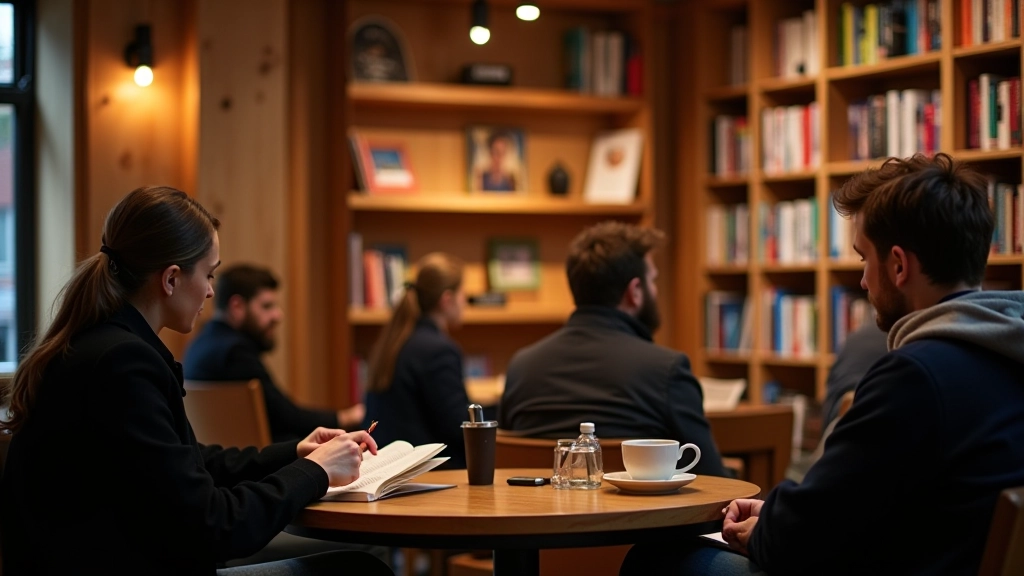
These aren't the polished national museums you'll find in guidebooks. They're the places where artists actually work, where locals gather for book discussions, and where you'll have genuine conversations over coffee about art, literature, and what it means to create something worth your time.
Independent Galleries
Artist-run spaces showing contemporary work and experimental installations
Literary Spaces
Libraries and reading rooms preserving rare books and hosting community events
Community Centers
Neighborhood cultural hubs where craftspeople teach and creative people gather
Art Galleries in Converted Industrial Spaces
Vilnius has transformed old warehouses and factory buildings into some of Europe's most interesting art venues. These aren't stuffy gallery spaces — they're raw, honest environments where the architecture itself becomes part of the exhibition.
The Metelė Gallery sits in a former printing house in the Old Town. You'll find contemporary sculpture, installation art, and experimental video work. What's different is that artists are often in the space during opening hours. You can actually talk with them about their work, ask why they made certain choices, and get genuine insight instead of reading a placard.
In Kaunas, the Meno Parkas (Art Park) occupies several interconnected industrial buildings. It's more ambitious — part gallery, part workshop, part performance venue. Weekend evenings bring crowds of students, creative professionals, and curious locals. The atmosphere feels alive because it's a working creative space, not just a museum.
Practical tip:
Most galleries don't charge admission or ask for just a small
donation (€2-3). Many host opening receptions on Thursday or
Friday evenings — free entry, wine, and a chance to meet people
in the local art scene.

Rare Book Libraries and Literary Communities
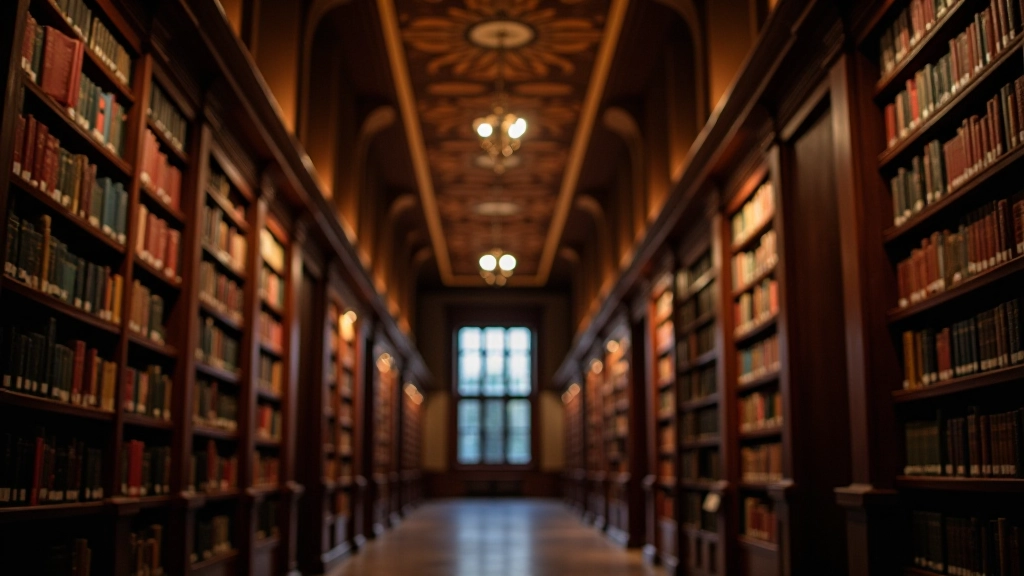
If you're serious about books, the Baltics are treasure hunting ground. Lithuania's Wroblewski Library in Vilnius holds over 800,000 volumes, including medieval manuscripts and first editions that you won't find anywhere else in the region.
But here's what's really interesting: the smaller, specialized collections are where the community actually gathers. The Vilnius Writers' Union runs a members' library that's open to the public for reading. People come in Thursday evenings for informal discussions about literature. It's intimate — you'll meet actual writers, translators, and serious readers in a space that feels like someone's living room (albeit one with incredible books).
In Tallinn, the Mikkel Museum includes a rare book collection that's remarkable. Staff are knowledgeable and genuinely excited to show you specific volumes if you ask. The experience is collaborative, not academic.
- Vilnius: Wroblewski Library, Writers' Union Library, Bernardine Monastery Library
- Kaunas: M.K. Čiurlionis Library with extensive Lithuanian literature section
- Tallinn: Mikkel Museum Library, Estonian Literary Museum
Neighborhood Cultural Centers and Craft Studios
The real heart of cultural life in Baltic cities isn't downtown — it's in the residential neighborhoods. Užupis in Vilnius has become an artist quarter almost by accident. The neighborhood has dozens of studios, small galleries, and craft workshops. You can walk the cobblestone streets on a Saturday and see actual artists working — painters, printmakers, sculptors in street-level studios with open doors.
What makes it different from tourist-trap art districts: it's still lived-in. Residents hang laundry between galleries. Kids play while adults work in studios. It doesn't feel staged or commercialized. When you buy something from an artist here, you're buying directly from them in their workspace.
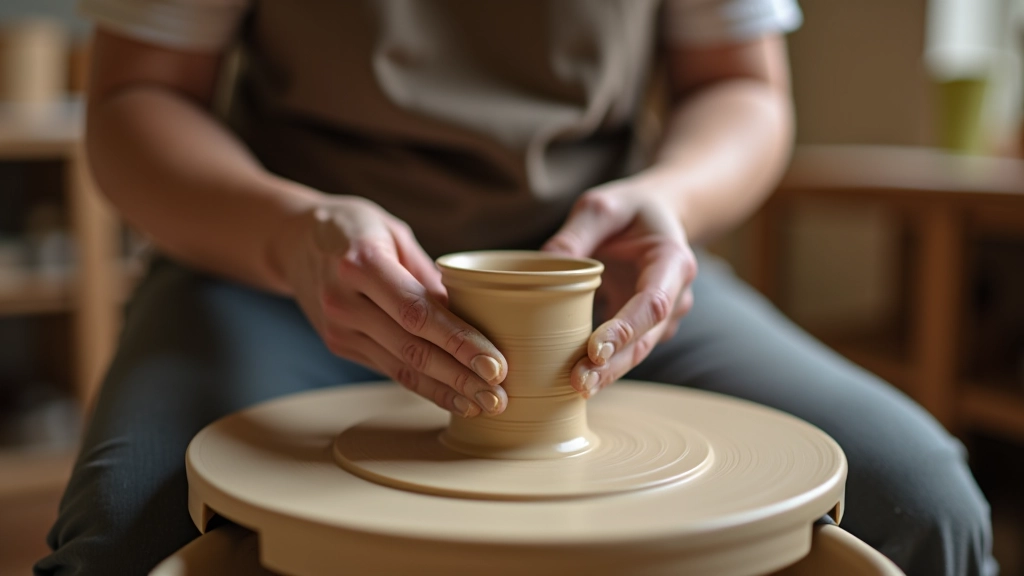
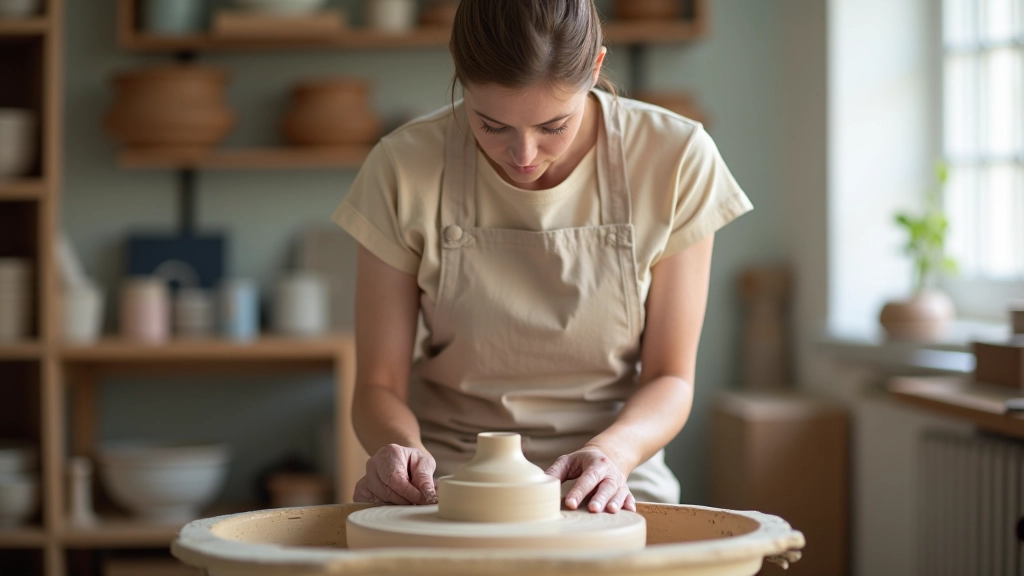
Kaunas has similar pockets. The neighborhoods around Laisvės avenue have community cultural centers that run pottery workshops, textile arts classes, and woodworking sessions. These aren't expensive art schools — they're accessible to locals and visitors who want to learn actual skills while meeting people in the community.
Over 200+ independent artist studios operate in Vilnius alone, with most welcoming casual visitors on weekends.
Weekend Cultural Routines Worth Building
Here's what we've noticed: people who find genuine cultural community in the Baltics aren't doing one-off museum visits. They're building weekend routines. They have a gallery they visit regularly. They know the opening night of local events. They've become familiar enough with spaces that staff recognize them.
Friday evening in Vilnius might look like this: you'll check what's opening at galleries that week, pick one that interests you, go to the opening reception (6-8pm usually), meet people, grab coffee nearby, maybe grab dinner. You're spending the same time you'd spend anywhere else, but you're actually connecting with the creative community.
Saturday mornings are for exploring. Walk through Užupis without a map. Pop into studios that have their doors open. Spend time in libraries or bookstore cafes. These spaces are designed for lingering — they want you to stay, look around, browse, ask questions.
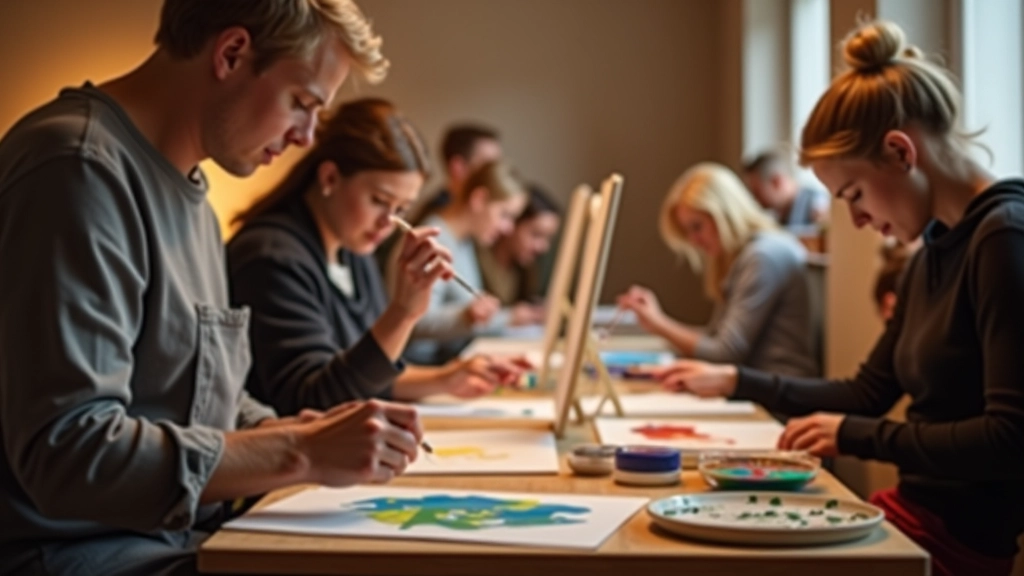
Sunday afternoons can be for participating. Many community centers offer drop-in workshops. It's not about becoming an expert. It's about spending a few hours making something with your hands while sitting near other people doing the same thing.
The Pattern You'll Notice
Every genuine cultural space we've described has something in common: it's a working environment where people actually create, gather, and connect. These aren't polished tourist experiences. They're real spaces serving real communities.
That's what makes them special. You're not consuming culture passively — you're entering spaces where culture is actively happening. You'll see artists working, overhear conversations about art, notice how people in the space interact with each other and the work.
Start with one neighborhood or one gallery. Go back a few times. Talk to people. Ask staff for recommendations. You'll find your way into the cultural community faster than you'd expect. The Baltics are small enough that creative networks are accessible, welcoming enough that newcomers aren't treated as outsiders.
Spend a weekend exploring these spaces. You'll understand why so many people fall in love with this region's cultural life — it's authentic, accessible, and genuinely interesting.
Information Disclaimer
This article provides informational guidance about cultural venues and community spaces across the Baltic region. Gallery hours, events, and accessibility may vary seasonally. We recommend checking specific venues' websites or contacting them directly before visiting. Cultural events and exhibition schedules change regularly, so confirm details before planning your visit. This content is intended to help you discover genuine cultural experiences — not as a complete directory of all venues in the region.