
Evening and Weekend Plans That Actually Feel Good
Practical ideas for spending free time in ways that stick. Book clubs, language exchanges, film screenings, and low-key social groups across Lithuania that welcome newcomers.

Why Weekends Matter More Than You Think
The difference between feeling drained and feeling alive often comes down to how you spend your free time. Not in a self-help way — just practically. When Tuesday rolls around and you've actually done something that interests you over the weekend, you show up differently. You're less irritable. More present.
The thing is, good plans don't need to be expensive or complicated. We're talking about real communities in Lithuania that meet regularly, welcome strangers, and actually deliver on what they promise. Book clubs where people show up. Language exchanges that challenge you. Film screenings in converted warehouses. Quiet cafés where the same people gather week after week.
Here's what we've found: the best evenings and weekends aren't the ones you plan months in advance. They're the ones you commit to showing up for, regularly, with people who care about the same things you do.
What Makes a Plan Stick?
- Regular schedule (same time, same place)
- Low barrier to entry (you don't need experience)
- Real people, not corporate events
- Something that builds over time
- Community that values newcomers
Book Clubs and Reading Communities
Vilnius has at least a dozen active book clubs. Not the formal library kind — these are groups that meet in cafés, pubs, and private apartments. They're reading everything from Lithuanian authors to translated contemporary fiction to philosophy books that half the group doesn't finish (and nobody judges).
What works about book clubs isn't actually the books. It's the commitment structure. You show up Thursday at 7 PM, there's a book waiting, and you talk for two hours with the same people. That consistency matters. You'll notice the same faces. You'll start looking forward to Tuesday nights specifically because you're excited to tell someone about a plot twist.
Most clubs meet monthly. You'll spend roughly 5–6 euros on a coffee. Some groups read in English, some in Lithuanian, some swap between both. The Vilnius English Book Club meets near the train station on the third Thursday. Kaunas has similar groups organized through the Kaunas Cultural Centre. Don't worry about being behind on the reading — most people aren't caught up either.


Language Exchanges and Conversation Groups
Language exchanges are different from classes. You're not paying an instructor. You're just two people — one who wants to learn Lithuanian, one who wants to practice English — meeting for coffee and talking. It's awkward for the first fifteen minutes. Then it works.
Vilnius has organized language exchange meetups almost every week. Look for groups on Meetup.com or through the Vilnius Welcome Center. They typically happen Tuesday or Wednesday evenings at central cafés. You'll sit with a language partner, spend half the time speaking English, half speaking Lithuanian. Everyone's nervous. Nobody's judging. It's one of the few spaces where making mistakes is literally the point.
What's valuable here isn't just the language practice. It's meeting people who moved to Lithuania like you might have, who are trying to build connections, who actually want to stay for a while. You'll leave with someone's number. Maybe you'll meet again next week. Maybe it becomes a regular thing.
Film Screenings and Artistic Gatherings
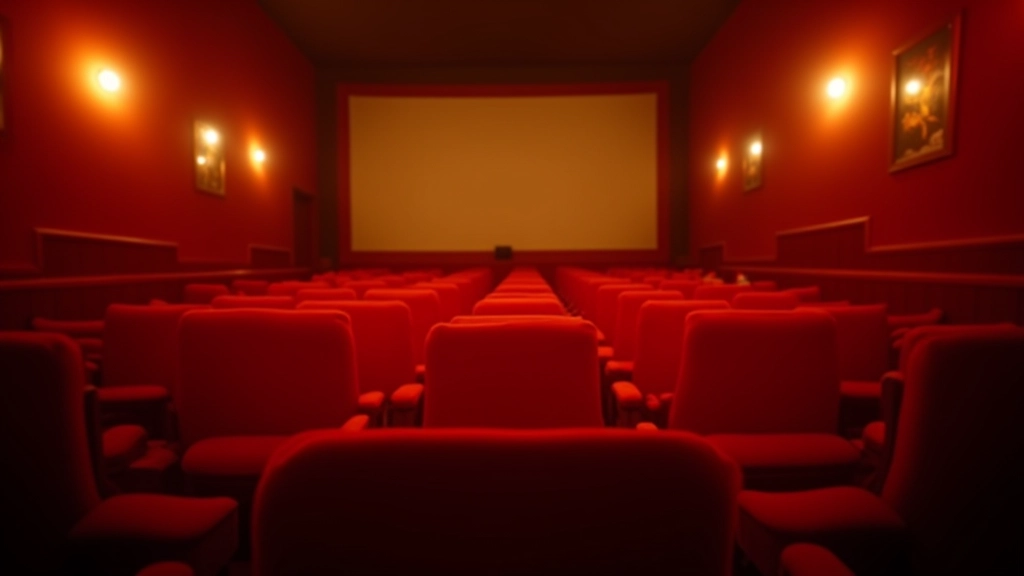
The old warehouse districts in Vilnius and Kaunas have become home to small cinema clubs and artist-run screening spaces. These aren't movie theaters. They're converted industrial spaces where people gather for film screenings, followed by actual discussion. Not the polite kind — the real kind where people argue about what they just watched.
Kino Pavasaris (Cinema Spring) runs regular Thursday screenings. Voodoo Gallery in Vilnius hosts monthly film nights. These places are deliberately small — maybe forty people maximum. You'll see the same crowd most weeks. Admission is usually 4–7 euros. After the screening, you'll stay for thirty minutes of conversation. It's low-pressure. You can leave right after the film if you want.
What you're really getting is permission to think about art seriously. To say "I didn't understand that" or "I hated the ending" to people who don't think you're weird for caring. These gatherings attract artists, writers, people working in creative fields. You'll overhear conversations about Lithuanian literature, European cinema, why certain directors keep returning to the same themes. It's the kind of place where your Saturday night suddenly feels substantial.
Creative Workshops and Maker Communities
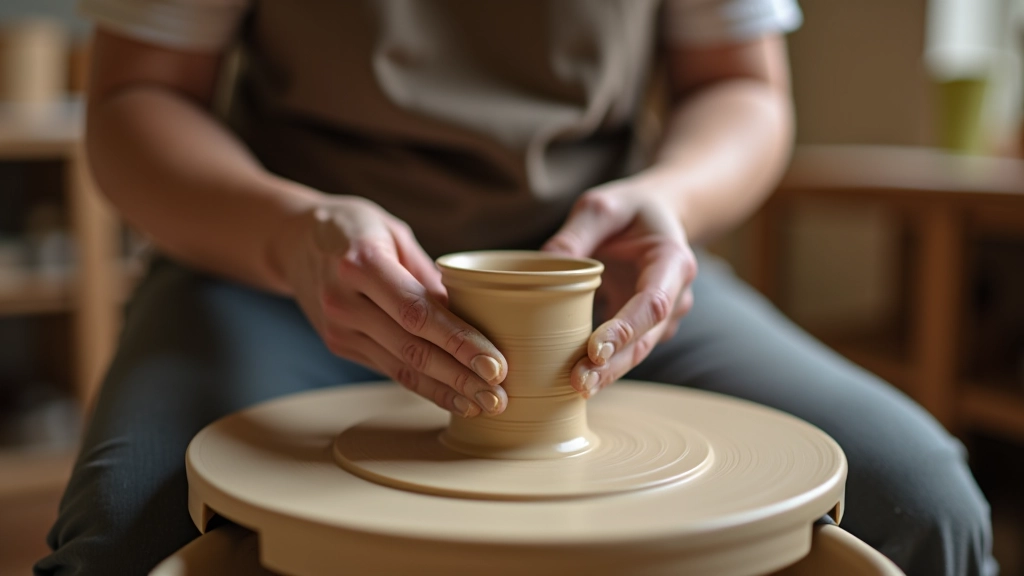
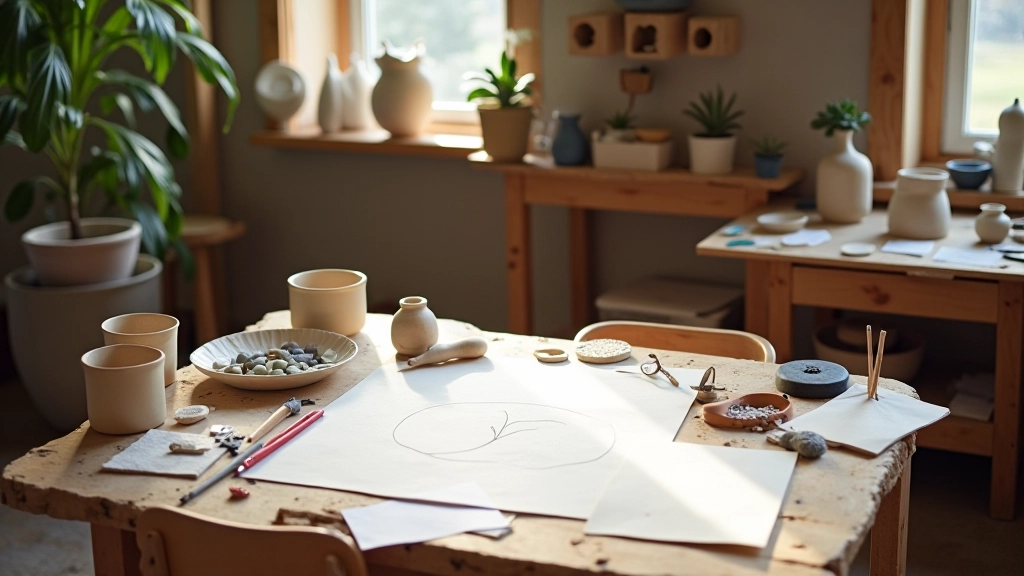
Kaunas has become a real hub for this. Artist collectives have opened shared studios where you can drop in for pottery, printmaking, or textile work. It's not about becoming skilled — it's about showing up and making something with your hands while other people do the same thing near you.
The economics work because there's no instructor. You pay 8–12 euros per session, the space covers materials and rent. You work on whatever project you're pursuing. Someone's throwing clay. Someone's printing a design. Someone's sewing. There's quiet focus and occasional conversation. People stay for two, three, sometimes four hours. They come back.
What matters is the permission structure. You don't need permission to be bad at pottery. You don't need to have a finished product. You just need to show up and work on something. Over weeks and months, you notice progress. You meet people who've been doing this for years. They'll help you without being asked. You'll do the same for someone new next month.
Starting Small, Showing Up Consistently
The pattern across all of this is the same. You pick one thing. You commit to showing up regularly. You show up anyway when you don't feel like it. After about four or five times, it stops feeling like effort. You start actually wanting to go.
That's when the real benefit happens. Not on the first Tuesday. On the fifth or sixth. When you've seen the same person three times and they recognize you. When you're building something incrementally with a group of people who are also trying. When your weekend suddenly has structure not because you're busy, but because you care about being somewhere.
The communities exist in Vilnius, Kaunas, and across Lithuania. They're not hard to find. They're just waiting for you to show up.
About This Article
This article provides informational guidance about leisure activities and community groups in Lithuania. Specific groups, meeting times, and locations mentioned are current as of April 2026 but may change. We recommend verifying details directly with organizers before attending. Community activities vary in cost, schedule, and accessibility. This content is intended to help you discover options — individual experiences will vary based on your interests and circumstances.
Related Articles